
Introduction to Our Testing Philosophy
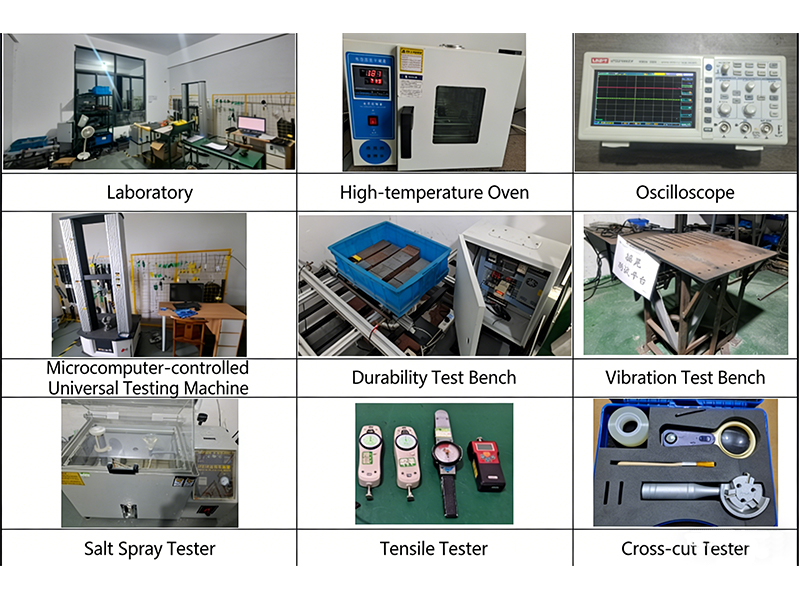
We build product reliability through rigorous seat mechanism testing. Consequently, at Ningbo Chunji Technology, our specialized team relies on verifiable data. Therefore, we follow strict internal protocols for every component. Specifically, our testing covers slide rails, recliners, turntables, and leg rests. The following sections outline our key validation lab reports. Ultimately, these reports confirm safety and durability for the global automotive industry.
1. Comprehensive Seat Turntable Testing
Our seat mechanism testing for turntables focuses on rotation and structural integrity. First, we conduct endurance validation. For instance, each unit completes over 11,000 full rotation cycles. This process effectively simulates more than a decade of frequent use. Additionally, we apply a consistent 75kg load during testing.
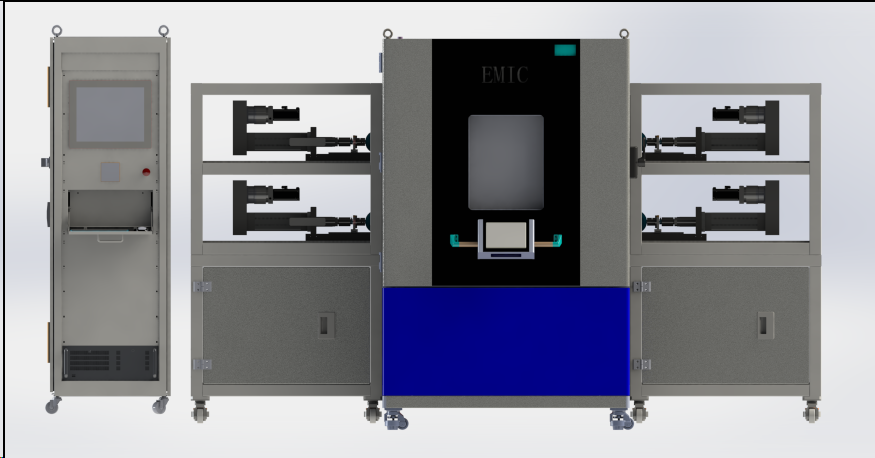
Next, we evaluate structural strength. Notably, the lock-out strength must exceed 3,000 N·m. Furthermore, we measure axial play under load. In particular, all axes must show minimal movement (≤0.3mm). As a result, this ensures stability during vehicle operation.
Finally, we verify operational forces. Unlock force ranges from 60-95N. Rotation torque is calibrated to 12-18 N·m. These settings ensure ease of use. They also provide secure locking at preset positions. Our validation lab reports detail every specification for turntables.
2. Rigorous Slide Rail Validation Program
Automotive seat components like slide rails undergo full lifecycle testing. Fatigue and durability are assessed first. Rails endure over 11,000 sliding cycles. A 75kg load is used throughout. Testing occurs in extreme temperatures from -40°C to +80°C.
Strength testing is equally critical. We measure single rail static strength (>20 kN). Stopper strength is also verified (>6-8 kN). The seat belt anchorage test is paramount. It must withstand 16.2 kN for over 10 seconds.
Safety validation includes simulated crash tests. Front (50g) and rear (24g) impacts are replicated. This confirms structural integrity during accidents. Furthermore, all rails pass a 96-hour salt spray test. This ensures corrosion resistance. Our durability testing for electric rails adds more checks. Operating speed must be 18±4 mm/s. Noise levels cannot exceed 50 dB. Smooth operation under load is mandatory. All results are documented in our validation lab reports.
3. Detailed Leg Rest Mechanism Evaluation
Leg rest validation lab reports focus on stability and longevity. Structural rigidity is tested first. Stiffness and skew tests define performance limits. Deflection must be ≤5mm under a 98N force. Allowable gaps in the Y-direction are ≤2mm.
Safety is verified through overload testing. A 50kg weight is placed centrally. No breakage or permanent failure is allowed. This confirms the mechanism’s safety margin.
Long-term reliability is proven through endurance testing. The system performs 10,000 full cycles. It supports a 15kg weight throughout. This simulates years of customer use. Finally, a stall test protects the motor system. It verifies operation during blockages. No damage should occur. This completes our seat mechanism testing for comfort features.
Conclusion: Certified Reliability for Your Projects
Our seat mechanism testing provides certified reliability. The validation lab reports offer transparent data. They prove our components meet the highest standards. This ensures safety, durability, and performance. Choose components backed by rigorous durability testing. Let our certified automotive seat components enhance your projects.
Contact us to see how our tested solutions meet your needs.