
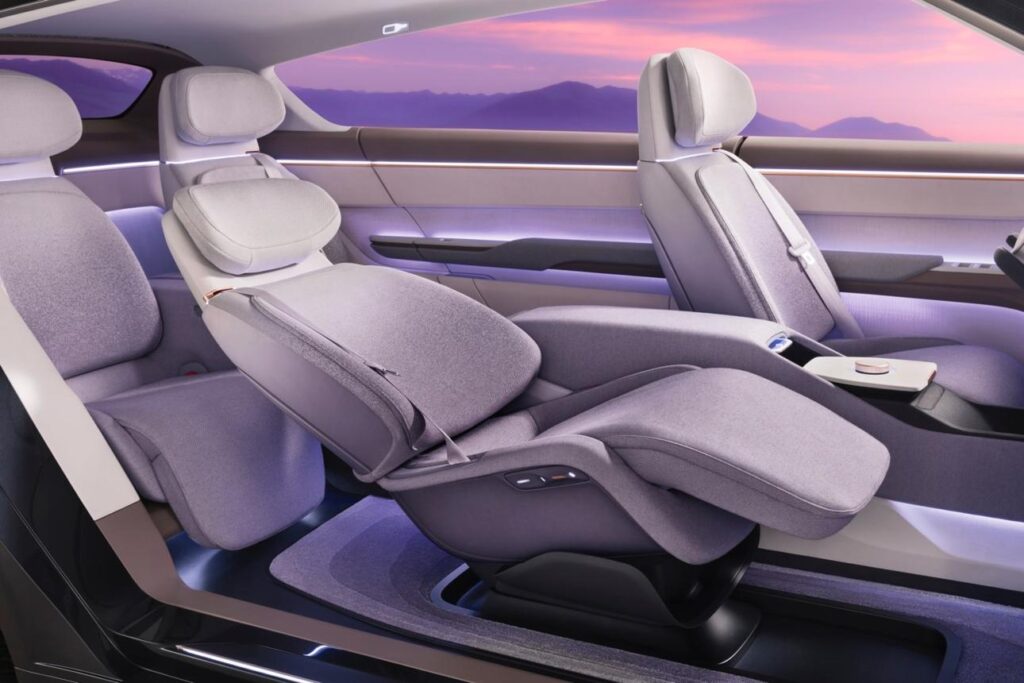
Electric Vehicles Create New Demands for Automotive Seating
The rapid growth of electric vehicles (EVs) is changing the way people think about automotive interiors.
Unlike traditional vehicles, electric vehicles provide more flexible cabin layouts and quieter driving environments, allowing manufacturers to focus more on passenger comfort and interior experiences.
As a result, automotive seats are evolving from basic support components into advanced comfort systems that integrate:
- Electric adjustment functions
- Intelligent control systems
- Premium comfort features
- Flexible interior layouts
- Personalized seating experiences
The development of EVs is creating new opportunities for automotive seat component manufacturers and interior solution providers.
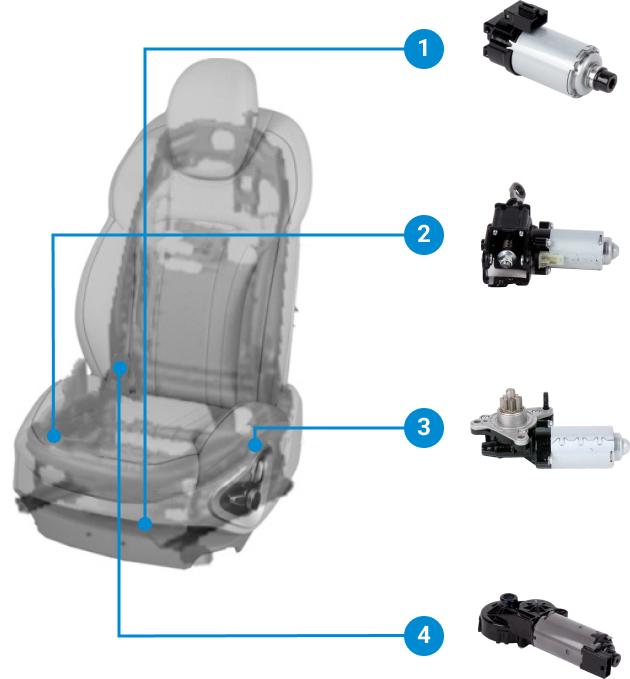
In modern vehicles, electric adjustment is becoming an important feature for both front and rear seats.
Advanced electric seat systems can include:
Electric Sliding Systems
Electric seat rails allow smooth forward and backward movement, helping passengers optimize seating space.
Power Reclining Mechanisms
Electric recliner systems provide precise backrest angle adjustment and improved comfort.
Seat Height Adjustment
Lifting mechanisms help drivers achieve better visibility and ergonomic seating positions.
Intelligent Control
Control switches and electronic modules allow users to easily manage multiple seat functions.
These technologies are especially popular in premium EVs, luxury MPVs, and high-end SUVs.

As autonomous driving and electric vehicle technology continue to develop, passengers are spending more time enjoying the cabin environment.
Rear-seat comfort is becoming increasingly important, especially in:
- Luxury MPVs
- Executive vans
- Premium electric vehicles
- Business transportation vehicles
Popular rear-seat upgrades include:
- Long travel electric slide rails
- 360-degree swivel mechanisms
- Motorized leg rests
- Folding tray tables
- Heating and ventilation systems
- Massage functions
These features transform vehicles into comfortable mobile spaces.
The Rise of Vehicle-Specific Seat Upgrade Solutions
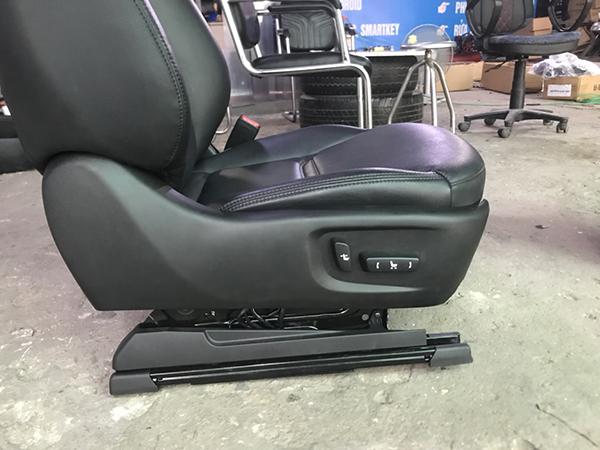
The automotive aftermarket is also experiencing rapid growth as more customers seek personalized vehicle upgrades.
Instead of replacing their vehicles, many owners choose to improve comfort and functionality through seat modification.
Common upgrade solutions include:
Manual Seat to Electric Seat Conversion
Traditional manual seats can be upgraded with electric adjustment systems.
Vehicle-Specific Upgrade Kits
Customized solutions designed for specific models provide easier installation and better compatibility.
Premium Interior Modification
VIP and luxury vehicle owners often upgrade seats with additional comfort functions.
This trend creates opportunities for suppliers who can provide both standard products and customized engineering solutions.
Smart Control Systems Improve Seat Experience
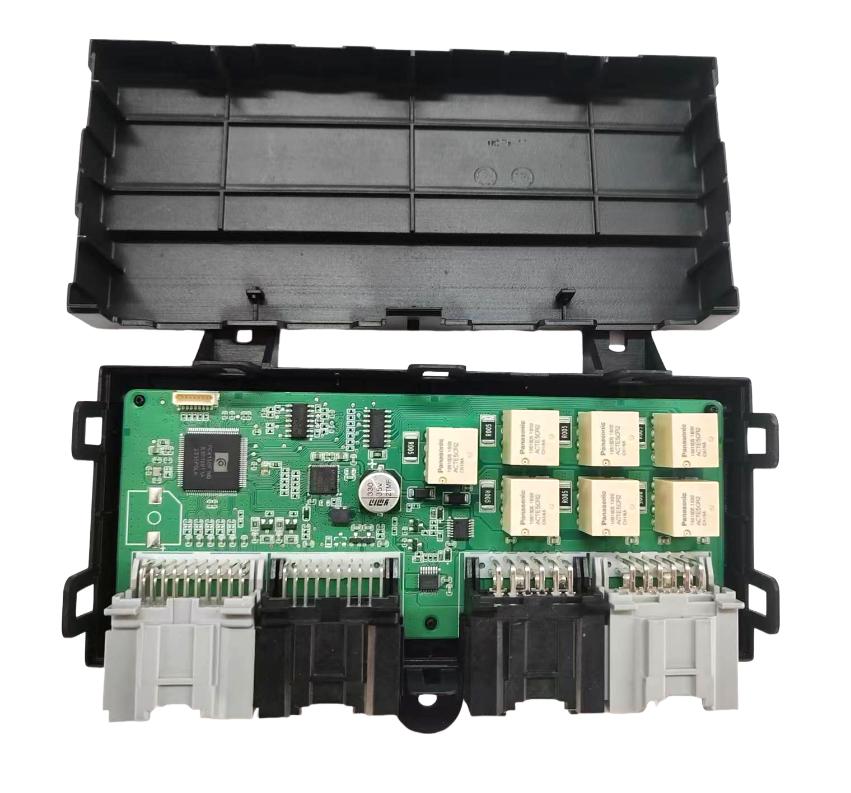
Future automotive seats will rely increasingly on intelligent electronic control.
A complete electric seat system may include:
- Seat control modules
- PCB control boards
- Wiring harnesses
- Electric motors
- Position sensors
- Multifunction switches
These components work together to provide smoother operation and more intelligent functions.
The integration of electronics and mechanical systems is becoming a major direction for automotive seat development.
Challenges for Automotive Seat Component Manufacturers
As seat functions become more advanced, component suppliers face higher technical requirements.
Key challenges include:
Safety Performance
Seat structures must meet strict strength and durability requirements.
Product Reliability
Electric mechanisms need to operate smoothly over thousands of cycles.
Noise Control
Premium vehicles require low-noise seat movement.
Customization Capability
Different vehicle models require different mounting solutions and dimensions.
Manufacturers with strong engineering and production capabilities will have greater advantages in the global automotive market.
Future Outlook: Automotive Seats Become Intelligent Mobility Spaces
The future of automotive seating will be defined by:
- Electrification
- Smart control
- Comfort innovation
- Modular design
- Personalized experiences
From electric seat rails and recliner mechanisms to complete seat upgrade systems, automotive seat components will continue to play a critical role in vehicle development.
As EV adoption increases worldwide, suppliers with strong manufacturing capabilities and customization expertise will become essential partners for automotive brands and aftermarket companies.
About Ningbo Chunji Technology
Ningbo Chunji Technology specializes in automotive seat components and electric seat upgrade solutions.
Our product range includes:
- Electric Seat Slide Rails
- Recliner Mechanisms
- Seat Lifting Systems
- Swivel Seat Mechanisms
- Electric Leg Rest Systems
- Seat Frames
- Control Modules
- Seat Comfort Systems
With OEM and ODM development capabilities, Chunji provides customized automotive seat solutions for global customers, including vehicle manufacturers, seat suppliers, VIP vehicle converters, and automotive aftermarket companies.