
Achieving true comfort in a car seat requires more than just a plush cushion; it demands a scientific Automotive seat comfort evaluation. This process systematically measures how well a seat supports the human body during stationary use. By integrating both subjective feedback from real users and objective data from specialized instruments, engineers can move beyond guesswork to create seats that genuinely enhance well-being and reduce fatigue.

The Imperative for a Comprehensive Automotive Seat Comfort Evaluation
Relying solely on one method gives an incomplete picture. Objective measurements provide precise, repeatable data on physical factors, but they cannot capture the full human experience. Conversely, subjective assessments reveal personal perceptions of comfort, yet they can be influenced by individual bias and vary between people. Therefore, a comprehensive comfort evaluation that merges both methodologies is critical. This integrated approach validates instrument data with human feeling and explains subjective responses with physical evidence, leading to more universally comfortable and scientifically validated seat designs.
Methodologies for Integrated Seat Comfort Assessment
A robust evaluation framework is built on two complementary pillars: quantitative measurement and human perception.
Pillar 1: Objective Measurement – Quantifying the Physical Experience
This pillar uses technology to capture precise physical data from the seat and the occupant’s interaction with it.
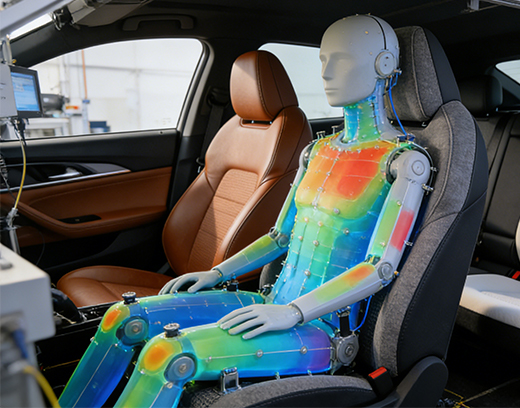
- Pressure Distribution Mapping: A pressure mat placed on the seat captures critical data. It measures the force exerted by the body, calculating key comfort indicators like average pressure, peak pressure, and the contact area. An ideal seat promotes even pressure distribution to avoid painful “hot spots.”
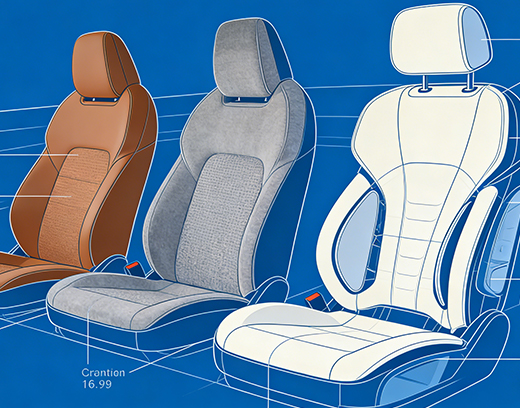
- Ergonomic Geometry Assessment: Specialized tools measure the seat’s shape against established ergonomic models. This verifies that key parameters—such as seat pan angle, backrest contour, and lumbar support height—align with the human body’s natural posture for optimal support.
Pillar 2: Subjective Assessment – Capturing the Human Perception
This pillar directly queries the user’s personal experience through structured methods.
- Standardized Comfort Surveys: Participants sit in the seat for a defined period and then complete detailed questionnaires. These often use standardized scales (e.g., a 1-10 rating) to rate specific aspects like lower back support, thigh comfort, and overall perceived comfort.
- Targeted Interviews and Focus Groups: Following the surveys, guided discussions provide deeper insight. Analysts can ask why a certain area felt uncomfortable or what specific adjustment would improve the experience, gathering rich qualitative data.
From Data to Design: The Seat Comfort Evaluation Workflow
The true power lies in merging these pillars into a single, cohesive process.
- Simultaneous Data Collection: Test participants sit on a seat equipped with a pressure mat. While the mat records objective pressure data, the participants provide real-time or post-test subjective feedback on their comfort.
- Correlation and Analysis: Engineers then correlate the datasets. For instance, a subjective complaint of “hip discomfort” will likely correspond to an objective pressure map showing a high-pressure peak in that exact region. This correlation confirms the root cause.
- Design Validation and Iteration: This integrated analysis provides clear, actionable direction. If the objective data meets targets but subjective scores are low, the issue may be with material feel or aesthetics. If both data sets show problems, a structural redesign of the seat’s contours or padding may be necessary.
Conclusion: Advancing Seat Design Through Rigorous Comfort Evaluation
A rigorous Automotive seat comfort evaluation is indispensable for modern seat development. It transforms comfort from a vague concept into a measurable, optimizable engineering metric. By bridging the gap between what instruments measure and what people feel, this integrated methodology enables manufacturers to create seats that are not only statistically supportive but are consistently perceived as comfortable by a diverse range of users. In a competitive market, this scientific approach is key to developing seats that truly put the occupant’s well-being first.
Ready to apply scientific evaluation to your seating projects?
Contact our engineering team to learn how advanced comfort testing methodologies can inform your next design.