
The perfect driving position relies on a precise interface: the Car Seat Multi-Directional Switch. This key component gives you direct control. Essentially, it translates your manual input into electrical signals that command the seat motors. Understanding how this switch works reveals the seamless integration of ergonomics and electromechanical engineering behind every comfortable adjustment.
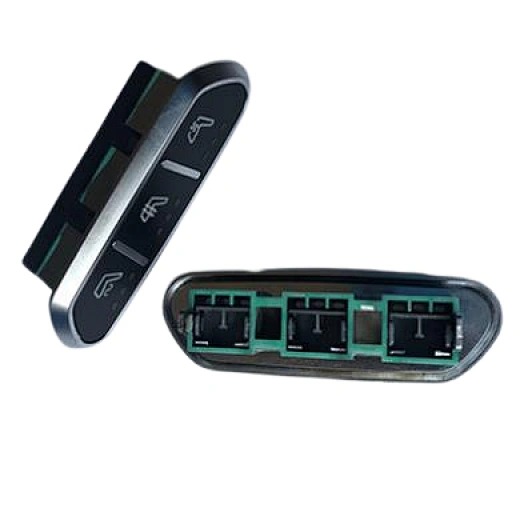
Inside the Mechanism: Core Components of the Switch
A typical seat adjustment switch integrates several key parts inside a robust housing on the seat side. Together, they create a reliable control interface.
- The User Control (Knob/Rocker): You interact with this part directly. It rocks or tilts in specific directions—forward/back, up/down—each corresponding to a different seat motor.
- The Internal Contact System: This is the functional heart of the switch mechanism. When you move the knob, it presses specific, spring-loaded electrical contacts together to complete a circuit.
- The Circuit and Wires: Consequently, completing the circuit sends a signal. This signal travels through a wiring harness to the seat’s control module or directly to the target motor.
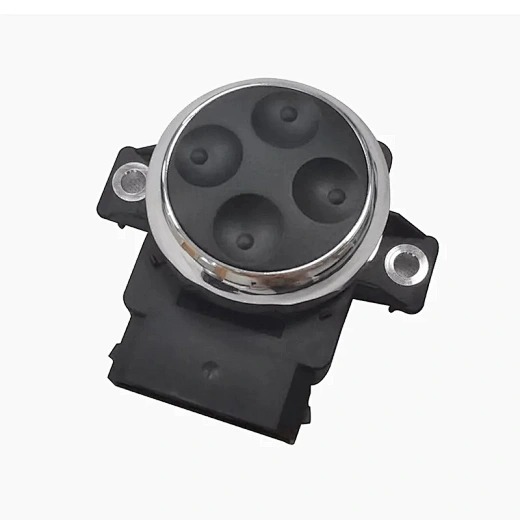
From Your Touch to Seat Movement: The Operating Sequence
The operating principle follows a clear, active sequence. First, you push the switch knob in a chosen direction. This physical action immediately closes a specific electrical circuit inside the switch. Next, the resulting signal travels to a control module. This module then interprets the command and sends power to the correct seat adjustment motor. Finally, the motor activates and moves the seat mechanism until you release the switch, which breaks the circuit and stops the movement.
Key Design Features for Reliability and Safety
Engineers design these switches to be durable and intuitive. Therefore, they offer significant user benefits.
- Ergonomic and Intuitive Use: The compact design allows one-handed control of multiple functions from a single spot, minimizing distraction.
- Durable with Clear Feedback: High-quality switches withstand tens of thousands of cycles. They also provide a tactile “click,” giving clear haptic feedback that your command is registered.
- Built-in Safety: The design separates low-voltage control from high-power motor circuits. Furthermore, control modules often include safety features like overload protection to prevent damage.
Integration in Modern Vehicle Seating Systems
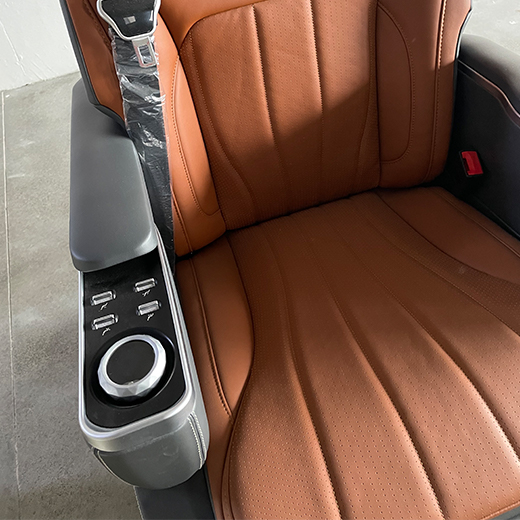
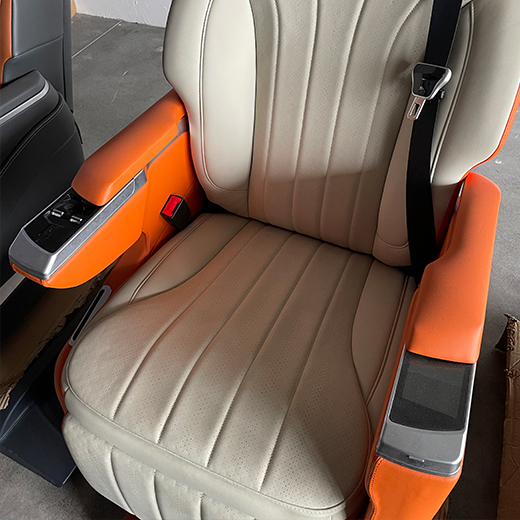
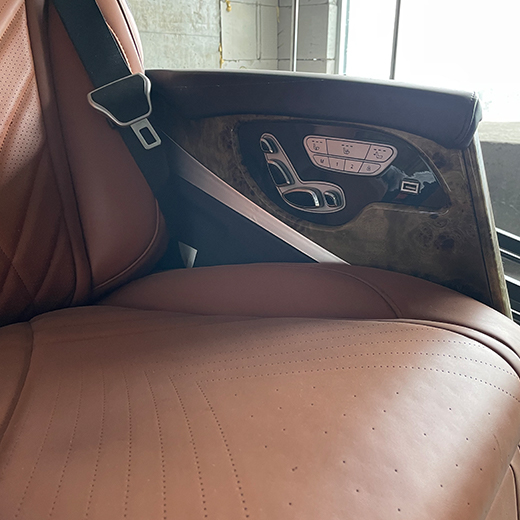
You will find this multi-directional switch in almost every vehicle with power seats. It is the primary interface for power seat systems. In advanced setups, it works with memory modules to save and recall driver positions. For premium seats, additional switches for lumbar or massage functions work on a similar control principle, expanding comfort options.
Conclusion: The Central Hub for Personalized Comfort
The Car Seat Multi-Directional Switch is the essential hub for personalized comfort. Its reliable working principle—efficiently converting a manual command into motorized action—ensures precise and safe seat positioning. As seats gain more functions, this intuitive switch remains central to the customized driving experience.
Need reliable components for seat control systems?
Contact our engineering team to discuss high-quality switch mechanisms and seat adjustment solutions for your projects.