
When it comes to electric vehicles, we can’t ignore the crucial role of the electric vehicle HVAC system. This innovative technology is revolutionizing how we think about heating, ventilation, and air conditioning in cars. We’ve seen a significant shift from internal combustion engine vehicles to electric ones, and with this change comes a whole new approach to keeping passengers comfortable while maximizing energy efficiency.
Related Articles
- – MotoRad CEO Matt Buchholz on aligning values
- – Litens Aftermarket’s Scott Howat on Being a Brand Champion
- – Rebuilding IBA door reliability with Bob Blasi | Ep. 284
There’s been a considerable increase in compressor technology for electric vehicle HVAC systems. The heart of these systems is the electric compressor, which plays a crucial role in maintaining cabin comfort and optimizing energy efficiency. Unlike traditional belt-driven compressors, electric compressors offer variable speed control, allowing for precise adjustment based on cooling demands. This flexibility results in improved energy management and reduced power consumption.
One of the most promising advancements is scroll compressor technology. These compressors feature two interleaved spiral components – a stationary fixed scroll and a moving scroll that orbits around it. This design has a big impact on efficiency and smooth operation, generating less vibration and noise compared to traditional reciprocating compressors. The compact size and lightweight nature of scroll compressors make them ideal for electric vehicles, where space and weight savings are crucial.
There have been significant strides in heating systems for electric vehicles as well. One innovative solution is the heat pump. This system transfers heat from outside the car, reducing battery drain. It’s 2-3 times more efficient than traditional heating methods, even in temperatures approaching -20°F. Heat pumps can help EVs recover 3-15% of range lost in cold weather.
The High Voltage Heater (HVH) has emerged as a game-changer. This compact device, offers impressive efficiency. Unlike heat pumps, it uses water heating instead of air heating. The HVH can maintain cabin comfort and preheat the traction engine. It works with a wide range of voltages (100-450V) and delivers up to 7 kW of heating power.
These advancements are crucial for addressing the cold-weather range reduction challenge in EVs, especially in cold climates. By optimizing heating efficiency, manufacturers are tackling ‘range anxiety’ and making electric vehicles more practical for everyday use.
The electric vehicle HVAC system plays a big part in keeping batteries at the right temperature. Batteries work best between 59°F and 86°F, with less than 10°F difference across the pack. Going outside this range can hurt performance and even cause safety issues. That’s why an efficient battery thermal management system is essential. The HVAC system works with the battery cooling system to optimize performance. By managing battery temperature this extends range, helps improve charging, and boosts overall efficiency of electric vehicles.
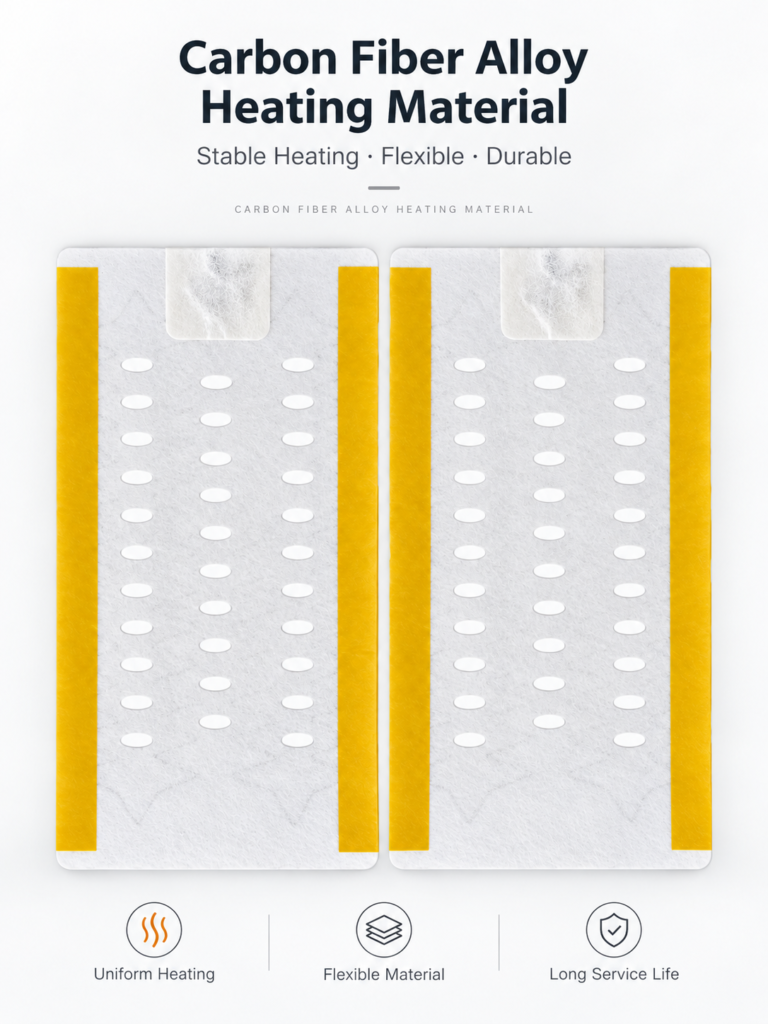
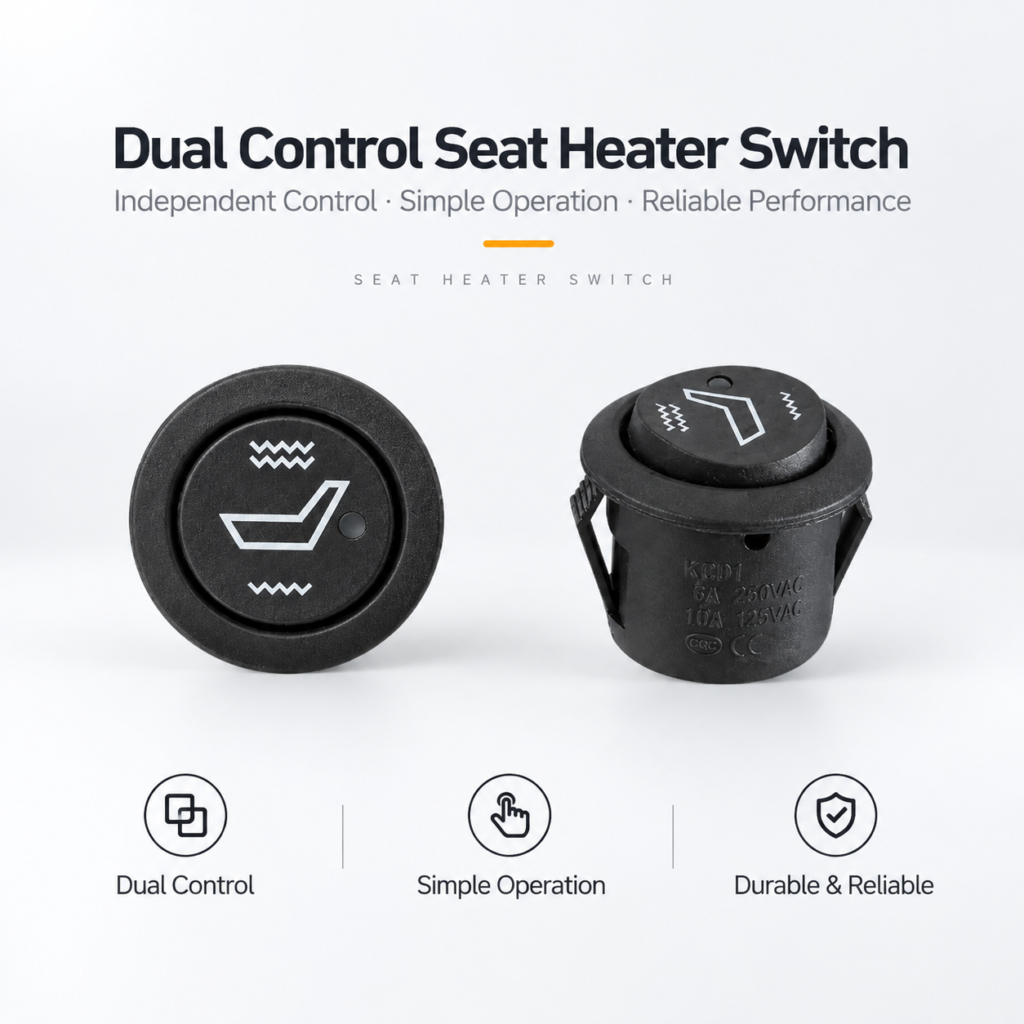
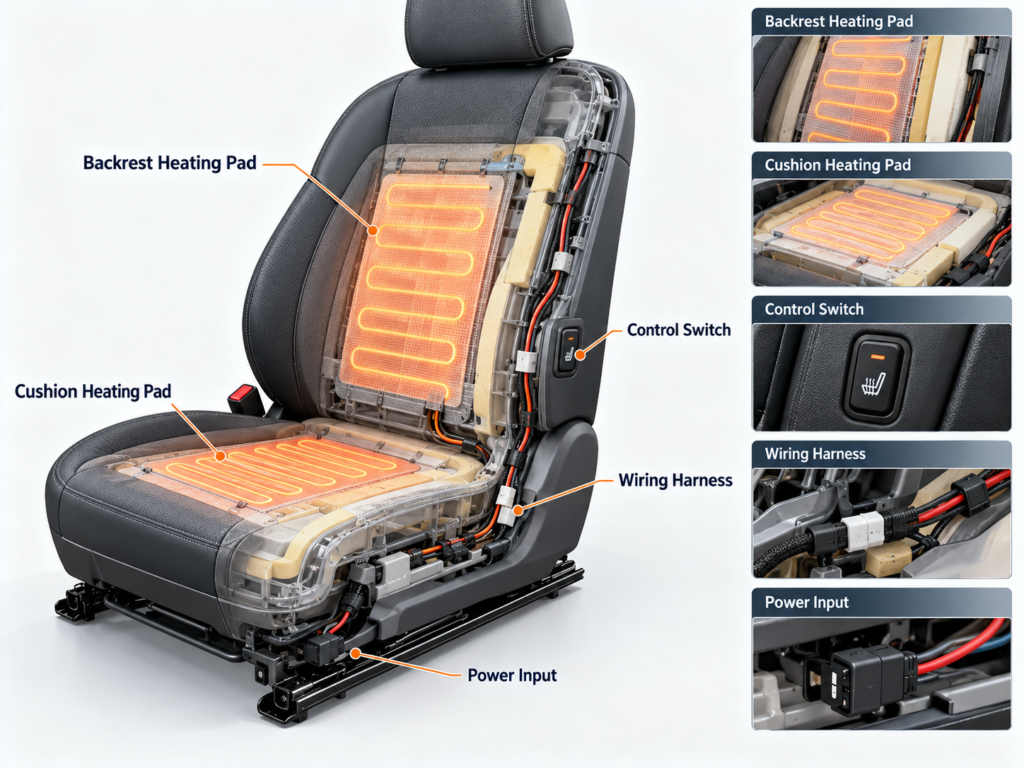
Ningbo Chunji Technology also provides automotive seat heating components, including heating pads, switches and wiring systems. These products can be integrated into seat cushions and backrests and customized according to different seat structures and vehicle applications, supporting both OEM development and aftermarket seat comfort upgrades.